September 30, 2026
Join a Pickleball League with Era Pickleball Near Me
By @garrettfngt228
I’ve spent more Saturdays than I can count chasing dink rallies and late drop shots across a half-dozen indoor and outdoor courts. In that time I’ve learned something simple but powerful: the real joy of pickleball comes not from chasing perfect shots alone, but from showing up in a community that makes you better, faster. Era Pickleball near me offers more than a place to swing a paddle. It offers a pathway into a league culture where competition sharpens technique, camaraderie sharpens character, and the calendar fills with moments you’ll remember long after a blister has healed. If you’re considering joining a pickleball league, especially with Era Pickleball, here’s what you should know from someone who has navigated the process from first curiosity to regular league play.
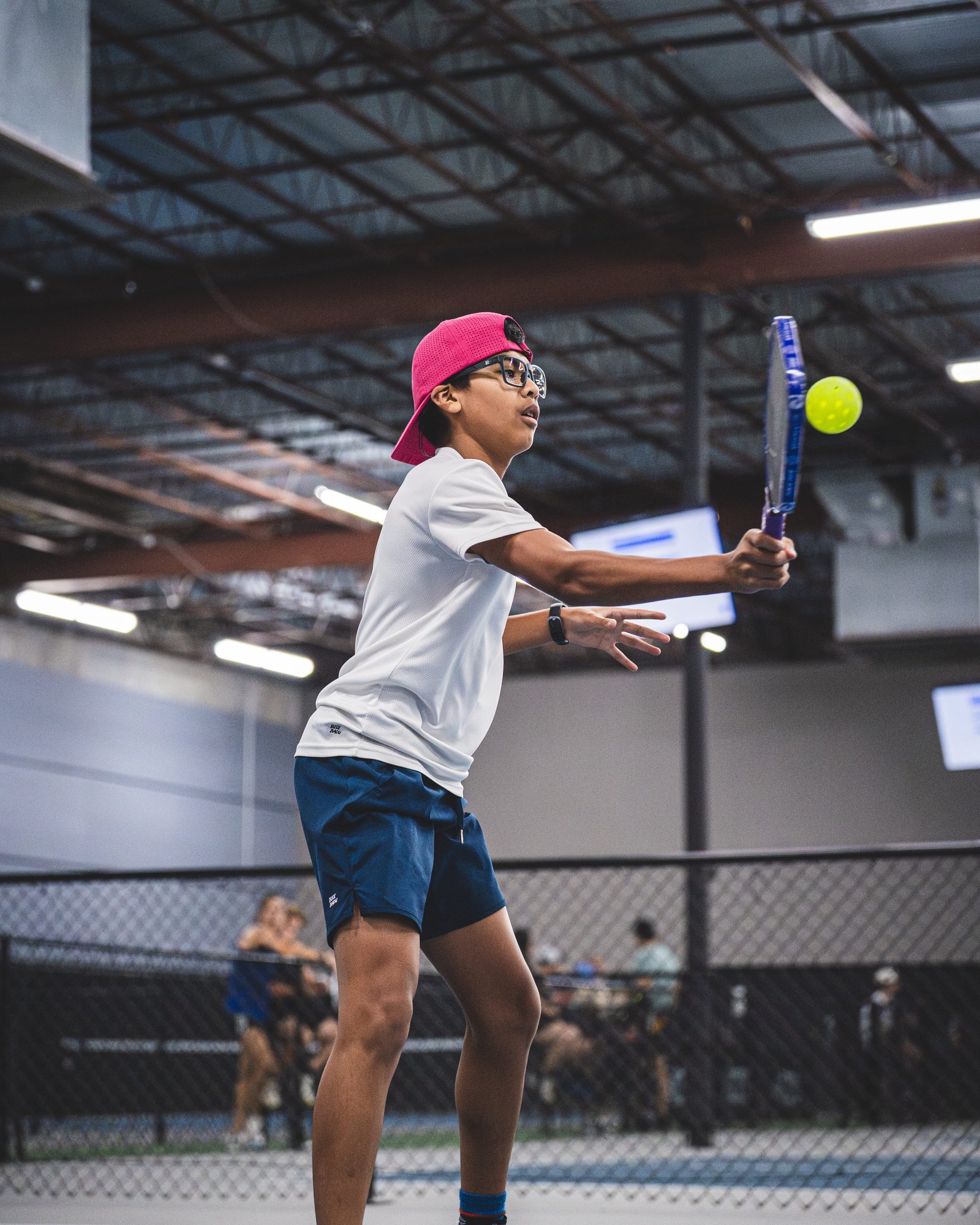
A neighborhood tournament spark often starts with curiosity. You see a flyer at the front desk of Era Pickleball indoor pickleball courts or hear a broadcast from a friendly league coordinator after a weekend circuit. The phrase pickleball near me emerges from a practical need: you want a predictable schedule, a clear level of play, and a location that respects your time. Era Pickleball answers that with a spectrum of options, from indoor pickleball courts to outdoor pickleball courts, all organized under a single brand that has grown into a hub for serious players and weekend fun-seekers alike. The moment you realize there is a structured league, your training takes on a purpose. You stop practicing in the abstract and start training with games in mind.
A real league is not a single game but a rhythm. It has a cadence: weekly patterns, a rotation system that makes every match feel fair, and a culture that rewards both hustle and sportsmanship. The Era Pickleball leagues I’ve played in didn’t just assign scores; they assigned stories. A veteran player who had spent years as a bench teammate found new leadership in the league, mentoring newer players while still chasing the scoreboard. A mother returned to the court after a long break, discovering that the social fabric of the league gave her the momentum to make health a priority again. And a college friend who moved into town rediscovered a familiar joy in advancing to the next round, not because of brute strength but because the league had built a system that rewarded precision and consistency.
Where to start when you want to join a pickleball league near Era Pickleball
First, there’s the practical reality of which facilities you’ll actually visit. Era Pickleball operates both indoor pickleball courts and outdoor pickleball courts, a design that thoughtfully accommodates weather, daylight, and the seasonal rhythm of play. If you live in a climate with heavy rain or capricious evenings, the indoor courts provide a consistent home base. The indoor spaces tend to be climate controlled, offering a reliable surface and predictable bounce, which helps when you’re working on a new serve or trying to stabilize your footwork after a heart-pounding rally. Outdoor courts, by contrast, are wonderful for sunshine and a more relaxed vibe, where wind becomes a factor that tests your ability to read the ball and adjust your stance on the fly. For many players, the best experience comes from alternating between these environments, a pattern that keeps your muscles adaptable and your game fresh.
Next comes the logistics of joining. Era Pickleball sites typically offer a clear path for new players through a membership or a trial period, which gives you access to practices, social mixers, and, of course, league play. The process can feel straightforward and, at times, surprisingly personal. A good league coordinator will ask about your preferred level of competition, your recent experience, and any injuries you’re managing. They’ll also explain the format—how many players per team, how your opponents are matched, and what the playoffs look like. For someone who wants to see the long arc of improvement, those conversations matter almost as much as the first serve you hit in a game.
The culture around Era Pickleball leagues is a telling signal about whether you’ll feel at home quickly. If you walk into a league night and you hear a blend of competitive chatter and friendly banter, you’re probably in the right place. If the court feels like a quiet arena in which players only address the referee and then retreat to the locker room, you may want to adjust your expectations or try a different session. In my experience, the best leagues balance accountability with warmth. The best players keep the ball in play, respect lines calls, and celebrate a teammate’s good shot with a nod and a smile that says, “Nice work, let’s run the next one.” That atmosphere doesn’t happen by accident. It’s cultivated by coaches, captains, and league organizers who understand that the game is as much social as it is athletic.
What a typical week looks like when you’re in a pickleball league near Era Pickleball
A common pattern, especially if you’re new to league play, is a two-part week: practice nights and match nights. On practice nights, you’ll find coaches running focused clinics. These sessions emphasize fundamentals that translate to the court as you begin to feel the ball more reliably: short-angle dinks that force movement on your opponent, mid-court resets to keep you in control during transitions, and a serve that sets up your next shot rather than simply putting the ball in play. Clinics are practical, often running 60 to 90 minutes, with drills that are immediately applicable in the league format. You’ll leave with a few concrete adjustments you can try the next time you step onto the court.
Match nights bring a different energy. Games are typically shorter than a casual pick-up session because the league is designed to maximize play and progression. You’ll rotate through different opponents, sometimes within a round-robin structure, sometimes through a bracket that leads to playoffs. The scoreboard matters, but the metrics that matter most initially are consistency and court sense. Do you know where to be on approach shots? Can you switch from offense to defense quickly when your opponent pushes you wide and forces a tough return? Do you communicate effectively with your partner, calling shots and adjusting strategy on the fly? The answers to these questions emerge through repetition, the kind of repetition that league play makes possible in a structured way.
Getting through the first season without feeling overwhelmed
If you’re stepping into Era Pickleball league play for the first time, it helps to approach the season with a plan rather than with naive optimism. Here are a few practical guidelines that helped me stay steady and improve without burning out.
First, map your week around the court. If you’re juggling a family schedule or a demanding work week, pin your practice times to fixed points on the calendar, so you don’t rely on spontaneous availability. Consistency matters in a sport that rewards neural adaptation and muscle memory. Second, track small wins rather than chasing a single big breakthrough. Improvement in pickleball often comes in small increments: a better serving rhythm, an extra inch on returns, patience on the third-shot drop. The season isn’t a sprint; it’s a marathon of tiny improvements that accumulate into a confident game. Third, watch and learn. League nights are full pickleball courts near me of subtleties—footwork patterns, hand-eye coordination, court positioning. Bring a notebook or a voice memo to capture a few observations after each game. You’ll thank yourself a few weeks later when you see the patterns you were sensing finally click.
The personal investment angle
When you consider joining a pickleball league near Era Pickleball, you’re not just purchasing court time. You’re signing up for an ecosystem that can affect your health, social life, and even your daily routine. There’s a tangible psychological benefit to being part of a regular competition with a clear arc. You know when you’ll play, you know your partners and opponents will show up, and you know there is a community counting on your reliability. That predictability is a welcome counterbalance to the unpredictability of work and family obligations.
Financial considerations are another practical piece of the puzzle. League fees typically cover court usage, staff supervision, and sometimes a small prize pool or end-of-season celebration. In my experience, the cost is modest given what you receive: consistent access to high-quality courts, coaching opportunities, and a social ecosystem that makes practice feel purposeful. If a league offers bundled memberships—indoor and outdoor court access, plus clinics and social events—evaluate the value against your typical play schedule. If you’re a casual player who shows up every other weekend, a lighter option may suit you. If you’re someone who wants to train seriously and compete weekly, the value of a full league membership often proves worthwhile.
What to bring to a league night
You want to show up prepared, but you don’t need to overpack. Here are practical items that have served me well on league nights.
- Court shoes with lateral support that grip the surface well
- A well-tuned paddle and a spare set of overgrips
- A water bottle, sunscreen, and a light snack for longer sessions
- A comfortable change of clothes for post-match social time
- A positive mindset and a readiness to communicate with your partner
That list is intentionally short, designed to be a practical starter kit rather than a heavy shopping list. You’ll learn what you prefer after your first few sessions, and you’ll adjust accordingly. Many players discover they favor a slightly heavier paddle for control in doubles, while others prefer lighter paddles for quicker reactions at the net. It’s worth giving yourself permission to experiment with a couple of pieces of gear in the first month, but be mindful not to overthink. The game moves faster than your gear acquisitions, and the difference between a good paddle and a great paddle is often found in timing and anticipation rather than raw power.
Two quick decisions that shape your first season
There are two decisions that tend to influence your experience more than any other in the first year. The first is choosing the level you enter. Many leagues offer a few tiers or beginner-friendly pools. If you’re honest about your skill level and honest with the organizers, you’ll end up in a group that challenges you without overwhelming you. If you start too high, you risk frustration and fatigue; start too low, you miss out on valuable growth. The second decision is choosing a partner for doubles. Doubles is where much of the league’s social energy coalesces into a meaningful routine. Pick someone who communicates well, shares a similar pace, and enjoys the strategic side of the game. A good partnership creates a shared rhythm that carries you through tough matches and makes the wins feel earned.
Real stories from the era of Era Pickleball leagues
I’ve watched players grow from hesitant beginners into confident competitors within a single season. There was a player who joined the indoor league nights with a stack of excuses about why the dink wasn’t coming out the way it should. By the end of the season, she was running cross-court dinks with precision, mastering the soft shot that keeps an opponent from stepping into the net, and she’d become a source of practical tips for newer players. Another teammate had been a recreational tennis player who found the transition challenging. The league’s structured format and the patient coaching helped him convert his footwork instincts into court awareness, and within months he was adding winning spin to his serves, something he’d previously avoided for fear of misplacing the ball. Then there was the quiet legend of the league—the player who never wore a loud uniform but trusted placement and pace more than any power game. He rarely blasted winners, but his consistent, well-placed shots kept opponents on the defensive, turning what looked like modest play into a string of comfortable wins.
A guide to evaluating your league experience
If you’re weighing Era Pickleball options against a few other providers, consider these factors. First, court quality matters more than you might expect. A well-maintained court with true lines and a smooth surface reduces unpredictable bounces, which means you can focus on your footwork and shot selection. Second, coaching presence is critical. A league that offers regular clinics or access to coaches during practice nights provides an accelerator for improvement. Third, accessibility and scheduling are decisive. A league that fits your work and family calendar will keep you engaged long enough to see meaningful progression. Finally, community culture matters. The best leagues create an inclusive environment where players of all levels feel welcome to learn, compete, and celebrate together.
A note on the trade-offs
No league is perfect, and Era Pickleball is no exception. Indoor courts offer predictable conditions, but they can feel crowded during peak hours. Outdoor courts provide a different stamina challenge and a social ambiance that some players love, yet weather can disrupt play or shift the schedule. The best players adapt by learning to adjust their game to the surface and setting rather than expecting the environment to adapt to them. Balancing this flexibility with a steady practice routine is how you sustain growth over a season. Another trade-off to anticipate involves the lane lines and net height that you may not notice until you move from casual play into a league format. The more you train under realistic league conditions, the more your perception of the court will improve, but that takes patience and deliberate practice.
A practical path to get started
If you’re ready to explore joining a pickleball league with Era Pickleball near me, here is a pragmatic path that has worked for many players, including myself.
- Step one: visit the Era Pickleball site and locate the leagues near you. Look for indoor pickleball courts or outdoor pickleball courts close to your home or work, and confirm available times.
- Step two: attend a guest night or a beginner clinic if offered. The initial exposure will help you understand the level expectations and the social dynamics of the league.
- Step three: sign up for a starter package or a month-to-month membership if you’re testing the waters. It’s advantageous to have the option to pause if life gets hectic without losing ground in your sport.
- Step four: partner up strategically. Talk with the league organizers about potential partners with complementary styles. If you’re a baseline grinder, look for a dink-and-dash partner who can finish points at the net.
- Step five: commit to a minimum six-week window. A short-term commitment helps you build routine and see tangible progress, which is the fuel for longer-term participation.
Two short checklists to help you stay on track
-
What to bring to a league night
-
Court shoes with good lateral support
-
Your paddle and a spare grip or two
-
Water bottle, sunscreen, and a light snack
-
Comfortable clothing and a change of shoes for post-match time
-
An open, coachable mindset ready to learn from every rally
-
Quick steps for your first league week
-
Confirm your league night and arrival time
-
Check in with the coordinator and your partner
-
Warm up with a light ball control routine
-
Play your first three matches with focus on consistency
-
Debrief with your partner and jot down one thing to adjust
Embracing practical wisdom from the field
One element that keeps players coming back is the sense that the league is a living system, not a static schedule. You learn after a few matches that the best players aren’t the ones who hit the hardest all the time; they’re the ones who understand when to accelerate and when to reset. They know how to choose the right shot for the moment. They also know when to push for a crucial point and when to protect a lead. Over time, this yields a habit of decision making under pressure. That is the real payoff of joining a pickleball league near Era Pickleball.
If you’re piecing together a picture of what Era Pickleball has to offer, here are a few crisp takeaways that might help you decide whether it fits your goals:
- You gain access to both indoor and outdoor environments, which expands your practice windows and keeps your game dynamic regardless of weather.
- You enter a community that emphasizes development through structured play, coaching, and consistent weekly rhythm.
- You experience a culture that values sportsmanship, teamwork, and mutual support, even as you crave competitive progress.
- You have a clear pathway from beginner clinics to league matches, allowing you to measure progress with concrete milestones.
- You receive practical guidance on equipment, training routines, and strategic play that you can apply on and off the court.
A closing reflection from the courts
Joining a pickleball league is not just about learning a sport; it’s about stepping into a calendar that respects your time, your effort, and your growth. When you choose Era Pickleball near me, you’re joining a network designed to turn afternoons into habit-forming routines rather than quick, isolated sessions. The cadence of practices and matches, the shared language of dink, drive, and drop, and the small rituals that form around a league night—these elements accumulate into a sense of belonging. That belonging matters, especially in a sport that moves as quickly as pickleball does.
The journey may begin with a single question: what would it feel like to be part of a league where the court and the people both challenge you to rise and celebrate your progress? The answer, for many players, is a steady stream of well-timed rallies, new friendships, and the confidence that comes from showing up and giving your best effort week after week. If you’re thinking about joining a pickleball league, especially through Era Pickleball near me, step toward the court. The first serve is the hardest part, but the second, third, and every shot after that become easier when you’re part of a league that understands you, and you understand it in return.
❧