September 30, 2026
erapickleball.com pickleball training: My Favorite Drills Revealed
By @garrettfngt228
Pickleball has a way of rewarding patience and precision in almost equal measure. When you’ve spent years chasing the soft bounce of a ball, you learn that the real edge comes from deliberate practice, not from luck or a sudden breakthrough. At erapickleball.com, the training philosophy I lean into with players is pragmatic, repeatable, and affordable for common court setups. The drills I’ll share here come from years of coaching across clinics, private sessions, and weekend leagues. They’re not flashy magic tricks. They’re a toolkit built to stack small wins on a daily basis, to build movement efficiency, shot selection, and rhythm under pressure.
This piece isn’t about chasing every new gadget or the latest coaching buzz. It’s about drilling excellence into the muscle memory that carries you through long days on the court and keeps you from overthinking a simple rally. You’ll notice I’m careful about context. Drills work differently depending on your style, your partner, and the equipment you actually use. The joy of pickleball is that the fundamentals translate across levels, but how you apply them should feel like you and your partner are part of a shared invention rather than a rigid drill script.
A practical starting point is to anchor your practice around a simple triad: court position, control of the paddle face, and the rhythm you bring to a point. The best drills I’ve used domestically, in clinics, and on the road with Era Pickleball pickleball training revolve around those pillars. When you can step onto the court with intention about your stance, your grip, and the tempo of your swing, you unlock a cascade of improvements. You begin to see more balls early, you handle pace with less fear, and you start to thread together the kind of positions that create options rather than desperation.
Where most players stumble is not a single deficiency but a chain of small habits that degrade one shot after another. A poor readiness position bleeds into a late split step, which in turn makes the reset on the next ball feel awkward. A paddle that bites too aggressively on a drive makes the next shot more telegraphed than it should be. The drills below target those threads—foundations before flash, consistency before complexity, with a constant eye toward actual game transitions.
A note on structure. The drills are arranged to progress logically while preserving the freedom to adapt. The first block zeroes in on warm-up and movement readiness, the second builds stroke consistency with controlled feed, and the final phase challenges you with pressure and decision making. In my experience, a good practice rarely looks dramatic on the surface. It looks like clarity, a clean hit, and a moment where you catch the ball on the sweet spot with minimal lag in your feet. That is the essence of real improvement.
Understanding the context of your level matters. If you’re returning from an injury, or you’re rebuilding after a season with less court time, tailor the intensity downward while keeping the mental focus intact. The drills should feel like investment, not punishment. And as you apply them, you’ll notice that your confidence improves in small but measurable ways—your options widen, your body feels less stiff, and your nerves settle during longer rallies.
Warm-up philosophy and the early drills
What I want players to feel during the warm-up is a sense of rotating through the court with light, economical steps. The goal is to prime the hips, ankles, and shoulders for the rest of the session, while also getting reacquainted with the differences between a dink and a drive. The warm-up is not a ritual to endure; it’s the bridge that makes the subsequent drills feel natural instead of forced.
Start with a five-minute mobility sequence that targets the hips, ankles, and thoracic spine. A few controlled twists, ankle circles, calf raises, and light lunges are enough to unlock a day of play. Then move into a short, focused rally that emphasizes ball contact quality rather than power. I like to begin with a steady exchange at the baseline, emphasizing soft hands, compact swings, and a relaxed grip that doesn’t invite tension into the forearm. You are teaching your brain to move your body with precision, not to overpower the ball.
From there, a simple progression unfolds. You’ll reorient your stance, work on your split step timing, and begin to blend movement with a sense of anticipation. The trick is to keep a slow tempo early on, focusing on quality contact and footwork rather than on how many balls you can push across the net in a minute. After a few minutes, you’ll find the rhythm you’ll keep all day, and your body will start to remember the path.
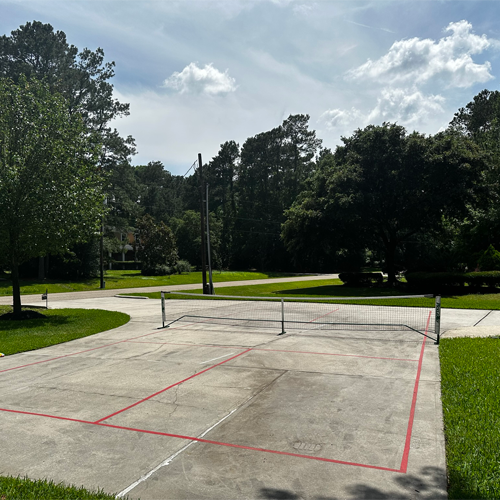
Two fundamental warm-up drills form the backbone of most sessions. The first is the dynamic dink ladder, a sequence designed to tune hand-eye coordination and soft control. The second is the power-neutral rally, a controlled baseline exchange that emphasizes stability more than speed. You’ll notice that I prefer drills that reward accuracy and positioning before height and pace. It’s a design choice, not a rule carved in stone, but it’s an approach that pays off when you move into the more demanding segments of practice.
Dink ladders and gentle rallies
Dink ladder drills emphasize touch and placement without forcing pace. The ladder can be as simple as moving from one side of the court to the other with a dink to the kitchen line, then to the opposite corner, and back, all while maintaining a relaxed wrist and a small, repeatable motion. The objective is to build a soft, repeatable dink that lands consistently near the opponent’s feet or just inside the line. It’s a mental exercise as much as a physical one: you learn to trust the touch, to anticipate your partner’s position, and to manage the corridor of space around the net.
The power-neutral rally is a baseline exercise that reframes the idea of hitting hard as a means to create an opening rather than a need to win every ball. It begins with a gentle exchange, a deliberate tempo, and a focus on accuracy. The moment one player breaks that rhythm by trying to overpower the ball, the drill loses its value. So you guard the tempo like a precious resource. When it works, you will notice fewer forced shots and more reliable resets, which in turn makes the dink more effective.
The value here is in the arc of the ball and how you measure success. If you can keep the rally going without escalating pace, you’re cultivating a habit of patience that pays off in late game pressure. You want to see your partner stepping into the court with you rather than backing away, and you want to be the kind of player who is comfortable drawing a point out rather than forcing a win on the first shot. Those are the moments when your practice becomes a game changer.
Immediate game-sense drills that reinforce movement and shot choice
After the warm-up, the session should tilt toward ball tracking and decision-making. The following drills rely on controlled feeds or cooperative partners to recreate the kinds of scenarios you face in real matches. The goal is to sharpen your ability to recognize opportunities to transition to the net, to exploit weak returns, and to protect the middle of the court when your opponent is driving the ball deep.
I like to emphasize three recurring patterns in this block: stabilizing the middle, exploiting the transition to the net, and defending against a strong return. The first pattern, stabilizing the middle, is tricky because it isn’t as dramatic as a big rally, but it makes a tangible difference. It requires you to read the court geometry, keep your paddle in a ready position, and respond with a compact, accurate stroke. When you master this, you reduce the risk of getting out of position and you create a foundation for more complex shots that follow.
The second pattern, transitioning to the net, is where many players experience a breakthrough moment. A soft touch at the kitchen line often tricks your opponent into making a weak return, allowing you to finish with a confident volley or a well-placed drop. The drill is straightforward: feed a few balls to the backhand or forehand corner and encourage the hitter to move forward in one clean, precise motion. It’s a test of balance, footwork, and the ability to maintain a low center of gravity while the paddle stays compact.
The third pattern, defending against a strong return, is less glamorous but essential. You practice stepping in to meet the ball with a stable platform and a quick conversion to a dink or a drop when the time is right. It’s here that your eyes adjust to tempo and spin, and your feet learn to glide rather than shuffle. The reward is a calmer body language during rallies and fewer forced errors when the pace ramps up toward the end of a point.
A tactical approach to drills that makes practice transferable
The drills I lean on are designed to translate directly into match play. The moment you step onto a court with a plan, the drills stop feeling like random tasks and start feeling like tools you can pull from your pocket when you need them. The real measure of success is not how fancy your drill looks but how well your body remembers the motion and how quickly you can deploy it under pressure.
One way to ensure transfer is to couple a drill with a simple decision tree. For example, after a controlled rally, decide before you hit a shot whether you will attack or maintain the rally. The choice should be based on what you read from your opponent—height, pace, and court position. If you train this pattern, you’ll begin to see your instincts align with your deliberate practice.
Another crucial aspect is interaction with your partner if you train with Era Pickleball pickleball classes or during group sessions. The dynamic of two players learning together adds a layer of realism that solo practice cannot replicate. Coached feedback becomes part of the experience, and you get a sense of how your movements look from another perspective. In my experience, the most meaningful improvements happen when you pair a technical drill with tactical decisions in the same practice block. It’s not about doing more; it’s about aligning different skills so they reinforce one another.
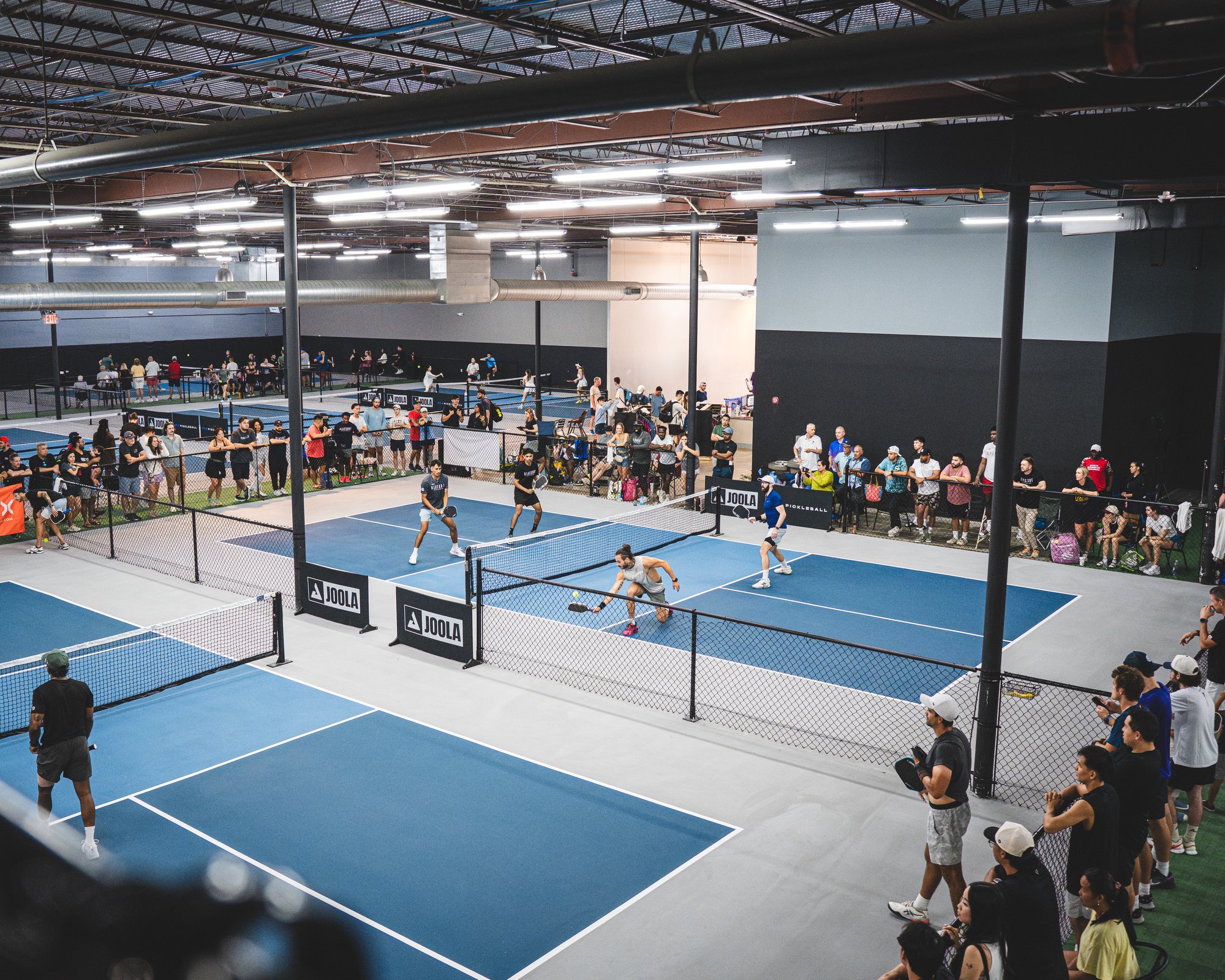
The two big categories of drills in this part of the session revolve around control at the net and the ability to reset with check this out predictability. The net drills are all about tiny adjustments to balance, paddle orientation, and the timing of a volley. You’re not chasing perfect technique here; you’re seeking a reliable motion that produces a dependable result against a range of feeds. On reset, the emphasis shifts to maintaining court position and ensuring the ball comes back in a way that invites a strong follow-up shot. The aim is to keep the ball in your comfort zone, not to chase every risky return.
Two practical drill blocks you can implement right away
If you want actionable structure that you can slot into regular practice without turning the session into a laboratory, here are two blocks you can incorporate. Each block is designed to stand alone, yet they complement one another when you have time for a longer session. The important thing is to keep the focus tight, maintain a consistent tempo, and watch your court coverage improve in small, tangible ways.
Block A – Movement and touch discipline
- Start with five minutes of light footwork that includes square steps, in-and-out patterns, and a few reverse steps to mimic defensive pivots.
- Move into a controlled rally at the net. The instruction is to keep the ball low and the paddle face open, to avoid popping the ball up and inviting a fast counterattack.
- Introduce a dink-to-dink sequence that forces you to translate foot speed into precise paddle placement. The goal is to land with a soft touch and then return to the middle with a quick recovery to the ready position.
- Add a short, deliberate drop shot exercise. Practice reading the height of the ball and choosing a drop that lands just over the net, making it difficult for your partner to attack.
- Finish with a serve-and-volley sequence that doesn’t chase pace but emphasizes a short swing, compact contact, and a quick settle back into the ready position.
Block B – Pressure points and decision making
- Begin with a feeder hitting to your backhand corner, then a quick approach to the net for a volley. Your aim is to create a disciplined rhythm rather than breaking pace to force winners.
- Circle back to the baseline and practice a controlled drive that dips low after the bounce, drawing a defensive return from your partner. Your read here is whether you will continue to pressure or reset.
- Practice a two-ball drill: one ball feed to the forehand, the second a slight miscue to force you to adjust your balance on the fly. The emphasis is on keeping your paddle ready while you pivot to the correct side.
- Transition to a cross-court exchange that ends with a decisive put-away at the net, but only after you demonstrate a stable stance and solid footwork through the point.
- End with a short scrimmage in which you must balance aggression with patience. The objective is to reproduce the feel of a late-stage rally where you still have options, but you choose them with clarity rather than impulse.
Why these drills work across levels
There are real reasons why the drills above are universally effective, regardless of whether you’re new to the sport or a veteran of years of play. The first reason is depth over breadth. The drills emphasize the qualities that carry over—footwork, balance, paddle control, and decision-making—without getting buried in a million minor technical adjustments. The second reason is game realism. Each drill creates scenarios that mimic the kinds of pressure you face in actual matches, such as defending a strong return, navigating toward the net, and making the right call when pace escalates.
Finally, the third reason is the feedback loop. These drills are designed to generate immediate, observable improvements that you can notice in your next rally. If you can feel the ball sit on the paddle for a fraction of a second during a dink, or you can sense how your center of gravity shifts as you move, you know you are building something that lasts. The goal is not to perform a perfect stroke in a single drill but to develop a consistent habit that becomes a second nature in the heat of a real game.
Working with Era Pickleball pickleball classes and coaching
Era Pickleball pickleball training is not just about performing drills in a vacuum. It’s about the context in which you perform them. The coaching philosophy at Era Pickleball emphasizes clarity, consistency, and practical application. The coaches you’ll encounter in pickleball classes era Pickleball bring a broad range of experience, from players who have competed at the highest levels to those who focus on fundamentals and player development for all ages. The aim is to tailor drills to your current level, your preferred style, and your overall goals.
One of the advantages of training with a reputable program is the continuity of feedback. You don’t just drill in isolation; you receive cues that help you adjust your footwork, your paddle angle, and your decision-making in real time. The coaching approach encourages you to be curious about your own movement and to experiment with small, incremental changes. It’s a process that respects your individuality as a player while offering a clear path toward measurable progress.
Seasonal pacing and long-term progression
The best practice plans I’ve used in the real world take into account the season, the court environment, and the energy of the group. If you’re practicing indoors during the winter, you’ll want more emphasis on movement and control since the court will be slicker and your reaction time may be different from outdoor sessions in the summer. If you’re coaching a beginner group, you’ll keep drills simpler, with more emphasis on the basics of stance and contact, gradually layering in the decision-making elements as confidence builds. For advanced players recovering from an injury or returning after a layoff, the progression should be even more conservative, with extra attention paid to body signals and the balance of load.
In practice, the drills scale well because they are built around the core principles of good pickleball: accurate contact, efficient movement, and thoughtful shot selection. The more you develop those elements, the more you see your sessions becoming less about forcing wins and more about controlling the flow of the rally. It’s a subtle but powerful shift, and it’s at the heart of what makes Era Pickleball classes so effective for many players.
The reality check: limitations and edge cases
No training regime is perfect, and no drill set will correct every flaw at once. A common limitation is excessive reliance on one type of shot. If you lean heavily on the dink but neglect the drive or the volley, you’ll be exposed when your opponent changes tactics. Another edge case is the person who overthinks every decision. For such players, the drills can become a mental trap rather than a source of clarity. In those situations, I encourage a more playful approach: reduce the number of options you consider before hitting, practice with a single, clear read, and allow your instincts to take over when the ball is in play.
Another reality is equipment and court constraints. Some players train on a gym floor with a low ceiling or on a small, nonstandard court. In those environments, adjustments are essential. The fundamental principles still apply, but you may need to adapt the tempo, the feedback you use, and the kind of feeds you prepare. You’ll probably notice that your practice looks different in a high-ceiling gym compared to an outdoor court with a wind gust or a rough surface. The key is to maintain the same intent—clean contact, smart movement, and purposeful decisions—while making the necessary practical changes.
Putting it all together on the court
If you’re about to design your own session, here is a straightforward blueprint you can follow without losing focus. Begin with a short, mindful warm-up that primes your hips, ankles, and shoulders. Then run through the dink ladder and the power-neutral rally to establish baseline touch and rhythm. Move into the interaction drills, where you refine ball tracking, net transitions, and resets under controlled pressure. Finally, close with a short scrimmage or a live rally that forces you to apply your decisions in a dynamic, game-like setting.
During the session, keep a simple log of what felt easy, what felt challenging, and what you want to return to in the next practice. The goal isn’t to fill every minute with activity but to extract maximum value from a small number of deliberate actions. Small improvements compound, and after weeks or months of consistent work, you’ll find that your ability to control rallies, defend the court, and attack with precision has grown in meaningful ways.
Why this matters for your pickleball journey
The drills you’ve just read about are not an end in themselves. They are a means to an improved experience on the court—an enhanced sense of control over pace, better court coverage, and more confidence when you step into a crowded doubles point. In the long arc of development, it’s the daily discipline—the habit of showing up, focusing on the basics, and letting the results accumulate—that separates players who plateau from players who keep climbing.
I’ve watched players who used these drills consistently over a season begin to trust their feet more, to feel the ball on the paddle with less tension, and to anticipate their partner’s moves with a split second feel. The benefits aren’t dramatic in every moment, but the cumulative effect is real and measurable. If you’re exploring era pickleball training options or you’re curious about the coaching approach at era pickleball, you’ll find that these drills align well with the culture of practical, grounded improvement that defines erapickleball.com pickleball training.
Closing thoughts, with an eye on your next practice
The best practice is the one you actually do. That’s the quiet philosophy behind the drills I’ve shared here. They’re not revolutionary, but they’re robust. They demand attention, but they reward clarity. They can be adapted to your current level, your available time, and the environment you train in. And if you’re part of Era Pickleball pickleball classes or you’ve worked with the coaching staff at erfpickleball.com, you know that this approach is part of a broader invitation: to treat each session as a step in a long, enjoyable game—one that improves your movement, your touch, and your decision making while preserving the joy of the sport.
If you’re looking for a practical, human-centered path to better pickleball, these drills offer a reliable starting point. They are designed to be repeatable, adaptable, and intimately connected to real game play. The aim is simple: help you get more balls back in play with less wasted energy, and give you more moments to shape the rally into your favor rather than reacting to every ball that comes your way. That is the core of effective pickleball training, and it’s the standard I bring to erapickleball.com pickleball training and coaching across every class, every session, and every patient moment on court.
❧