September 30, 2026
Era Pickleball: How to Choose a Local Pickleball Club
By @garrettfngt228
Choosing a local pickleball club is more than picking a place to swing a paddle. It’s about finding an environment that matches your goals, your schedule, and the kind of community you want to be part of. Over the years I have coached, played, and managed court time in several clubs that range from polished, purpose built facilities to smaller neighborhood hubs. The differences aren’t just about the number of courts or the hours of operation. They shape your daily routines, the quality of your practice, and, frankly, how often you feel like you belong there. If you live near Era Pickleball or are evaluating options on the wider map, this guide walks you through practical decisions, first hand observations, and the trade offs that matter most when you are choosing a local pickleball club.
The first thing to know is that Era Pickleball has built a reputation around two core strengths: consistent court quality and an emphasis on accessible programming. But even within the Era Pickleball network there are notable differences from one location to the next. Some clubs lean into community leagues and social play, others pivot toward high level instruction, and a few strike a balance between both. Your best match is less about a single feature and more about how all the moving parts add up to fit your life.
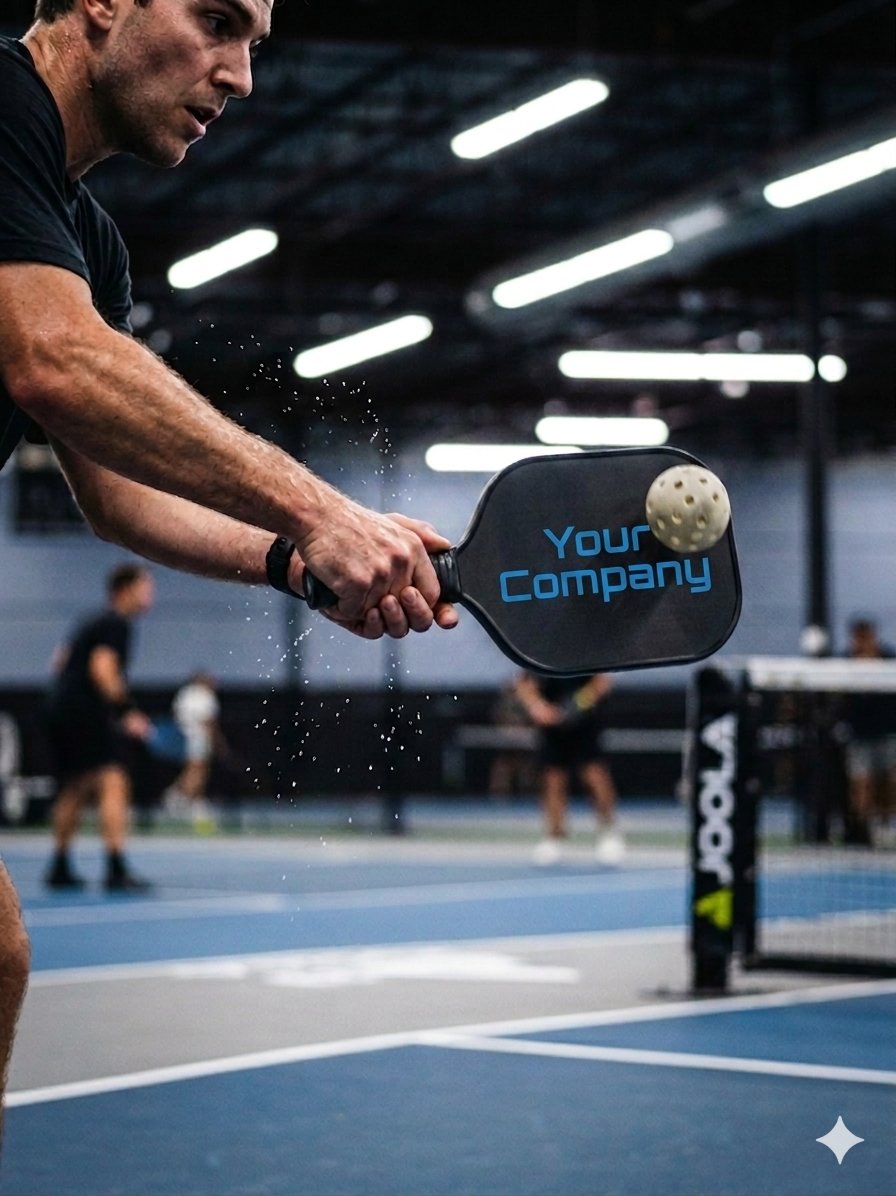
What you are really choosing is a daily habit. What time you show up, who you meet on the court, what you work on during practice, and how welcoming the front desk feels when you arrive. It is almost always better to spend a little more time researching before you sign up than to regret a rushed decision after a few weeks of faded enthusiasm.
Understanding the landscape at Era Pickleball will help you sort out your options quickly. You can locate indoor facilities with retractable nets for year round play or outdoor venues that make use of natural shade, reliable windbreaks, and surfaces tuned for comfort. The differences matter if you play two or three times a week, if you are teaching beginners, or if you are competing in leagues. Below is a practical map of criteria that real players use when they compare clubs that sit under the Era Pickleball umbrella or operate in the same local market.
Where the courts live and how they feel underfoot make a surprising difference. A court can be smooth and quiet, or it can carry a hollow thump that distracts you mid rally. At indoor venues, controlled lighting matters more than you might expect. Dull or flickering fixtures can strain your eyes over a long practice, while overly bright lighting creates glare on the court surface and makes line calls feel less certain. On outdoor courts, the surface composition matters as well. Some surfaces grip the paddle better than others, and a consistent roll matters when you are working on precision shots like s flies or drop shots. In my experience, the best clubs in the Era Pickleball network insist on a surface that has both predictable bounce and longevity. They invest in resurfacing every five to seven years, depending on the traffic, and they schedule line care so the boundaries are easy to read on a humid afternoon or a dusty morning.
Another important layer is accessibility. A club that markets itself as a pickleball hub but requires long commutes or complicated booking procedures is a friction point you will notice quickly. A sensible club offers online or app based booking, predictable court availability during the times you want, and a clear policy on how to sign up for leagues, clinics, and social play. If you are juggling work, family, and a couple of weekday practices, you will thank yourself for choosing a place with consistent, user friendly systems that reduce the time you spend in the lobby and increase the time you spend on the court.
In my own routine I have found it helpful to think about a club as a micro ecosystem. It is not merely a building with nets. It is a calendar of events, a staff that helps you with gear and scheduling, a coaching team that aligns with your skill level, and a community that makes you want to return. The best clubs in the Era Pickleball network tend to share four characteristics: predictable court access, a well curated mix of drills and drills plus play, transparent pricing and policy, and staff who know how to tune the experience to different players. When you walk in, you should feel that you are expected, you know where to go, and you sense that the people you see in line at the front desk recognize your face as someone who belongs.
A practical way to evaluate a club is to build a simple picture in your mind of a typical week. If you are a recreational player who values social time with friends after a few rallies, you want a club that runs regular women’s and men’s social rounds, a dependable weekend mixed open play, and a few casual practice sessions. If you are a developing competitor, you need a schedule that includes structured clinics, friendly ladders, and regular match play curated by coaches who actually watch games and provide actionable feedback. If your goal is to learn from scratch, you need a clinic ecosystem with progressive levels, from beginner to intermediate, and a clear progression path that shows you how to advance.
The level of instruction can be a major decision point. In Era Pickleball circles, you will notice that some clubs offer formal coaching tracks with progression benchmarks, while others rely on more informal feedback during open play. When I track a club down, I ask two questions about coaching: first, what is the ratio of players to coaches during a typical clinic or drill block; and second, how does the coach tailor a session to different skill levels in the same time slot without losing momentum. I have seen clinics where a single coach handles a dozen players efficiently through clearly designed stations, and I have seen others where a coach tries to cover too much ground and ends up leaving players without personalized feedback. The right balance is not universal. It depends on your current level and your personal tolerance for guidance during a session.
Another central piece is community. Pickleball, perhaps more than many other sports, thrives on social ties and on the mutual accountability that comes from playing with familiar faces. The clubs that sustain strong communities tend to host regular social mixers, theme nights, or charity events that give you something to look forward to beyond the match score. A note of caution: a robust social calendar does not automatically mean superb technical coaching. The best combination is a club that packages friendly competition with high quality instruction, so you can enjoy both the social element and concrete skill development.
Pricing and value are not simply numbers on a signboard. They are a reflection of what you get in return. Look beyond the monthly membership fee. Ask about court access windows, guest passes, and how much you pay for clinics, private lessons, or access to leagues. If the club operates a robust indoor facility, the higher price might be justified by climate control, air quality, and year round play. If you are urban and the outdoor courts are exposed to sun and rain, you might prioritize shade, wind protection, and surface maintenance to ensure consistent play. A sound approach is to calculate your annual spend with a realistic pace of your playing frequency. If you plan to play two to three times a week, you can model a year of sessions and compare the total access you would gain against the fees that these sessions would cost in a locker room economy.
Equipment considerations are not always obvious at first glance. The best clubs in Era Pickleball networks often provide a well stocked pro shop with paddle options for different playing styles, grip options, and a few specialized items like dampeners or paddle covers. Having access to a small, reliable inventory in the same location where you practice saves you a lot of time and reduces the friction of keeping your equipment in good condition. Some clubs also offer rental paddles in case you forget yours, which is a small but meaningful convenience when you travel or have a last minute practice session.
A more subtle but extremely practical factor is noise and crowd management. A club that sits at the busy intersection of a neighborhood and a college campus may have peak times when courts fill up quickly. If you are someone who emphasizes quiet, consistent pace, you will value a club that has designated off peak windows, perhaps some lines reserved for members who prefer a calmer pace, and a policy that prevents overcrowding during family oriented hours. The opposite scenario can suit players who thrive on always being in motion and who enjoy the dynamic excitement of crowds. A well run club keeps a healthy balance by rotating court assignments and setting reasonable limits for non member guests so the court density does not erode core member experience.
If you are evaluating Era Pickleball facilities specifically, you will likely run into two distinct categories: indoor venues with climate control and outdoor courts that rely on weather patterns. Each option carries distinct benefits. Indoor courts deliver consistent court conditions, predictable lighting, and the possibility of a longer season. Outdoor venues provide a direct connection to the natural conditions of the day, which some players prefer because it mirrors real tournament environments. My advice is to map your own preferences and then test both flavors if you can. If you often train after work and want to avoid cold evenings, indoor courts become a priority. If you love sun on your back and the feel of outdoor air on your skin, outdoor courts hold more appeal.
Now, how do you put this into action when you are standing in the lobby of Era Pickleball or any local club? Start with a simple, practical framework:
First, guest experience matters. When you arrive, do you feel welcomed by the front desk, staff, and players who are already on the court? Is there someone who can point you toward the right practice area, explain the booking steps, and answer questions about leagues or clinics with confidence? A good club makes you feel that your membership is a straightforward, low friction decision rather than a puzzle you need to solve on your own.
Second, observe the flow of play. Are groups friendly and inclusive, or do you sense a rigid hierarchy that makes beginners hesitant to join in? Do you see volunteers or staff in the hallways who step in to smooth friction or correct line calls with calm authority? The best clubs nurture a culture where new players feel safe to try shots they have not attempted before, and where seasoned players stay open to coaching and conversation.
Third, assess the practical match between schedule and life. If you only have two evenings a week, does the club offer evening clinics or social play during those windows? If your children want to tag along during your practice, are there dedicated spaces for families, and do courts stay accessible during peak hours when you need to bring a partner or a friend? It is surprising how often a club with excellent facilities fails on scheduling clarity or on family friendly policies.
A note on safety and accessibility also deserves attention. You want well maintained nets and boundary lines, but you also want to know what happens when a surface is slick after rain, or when a court is out of service for a routine maintenance window. A good club will have a clear, published policy about temporary closures, and staff who communicate those closures quickly and professionally. You should be able to find a contact path for urgent questions and know in advance whether there are contingency plans for rain delays, facility upgrades, or staff shortages. That level of clarity reduces stress and helps you keep your routine intact.
Trade offs are inevitable. You may discover a facility with the most polished locker rooms and the friendliest staff, but fewer daytime hours suited to your schedule. You might encounter a location with an excellent coaching team but a smaller court count that creates bottlenecks during peak times. These are not dead ends; they are signals that help you decide where you want to invest time and energy. If the club aligns with your non negotiables and offers a path to progress, you can adapt your expectations around the things you cannot change, such as the availability of prime time sessions or the exact mix of league play and casual drills.
In the Era Pickleball ecosystem, most players eventually gravitate toward one or two clear priorities. Some prioritize a heavy emphasis on clinics and structured coaching, which means you are likely to see a schedule dominated by skill based sessions, ladders, and progression exercises. Others prioritize social play and community building, where the fatigue of a long day is offset by a steady stream of casual matches, coffee after practice, and a rotating roster of partners. There is no universal right answer here. The right choice hinges on your current level, your long term goals, and how you want to feel after every practice. If your aim is to climb the ladder and compete, you want a facility that treats matches as performance problems to solve and provides data driven feedback. If your aim is to stay active, healthy, and connected to neighbors and friends, you want a club that makes social energy a first order value and keeps the environment welcoming.
Let me share a couple of concrete scenarios drawn from real life, because numbers and grounded examples anchor decisions more than abstract descriptions.
Scenario A: You are a weekend enthusiast who loves a friendly vibe and wants to improve your backhand. You value accessible coaching but you also want time to catch up with friends after play. You visit a local Era Pickleball facility that offers weekly beginner clinics on Saturdays, a social open play on Sundays, and a rotating menu of one hour private lessons during weekday mornings. The facility uses a booking system that shows real time court availability and provides a small, in house inventory of paddles to borrow. The staff can point you toward a beginner drill circle that matches your level, and the crowd is inclusive, with players who stay for coffee and conversation after the last rally. This setup gives you predictable routines, a low barrier to entry for learning, and enough social energy to keep you motivated. It might cost a little more per month than a strictly self guided option, but the value you receive in practice quality and ease of access justifies the premium.
Scenario B: You are an experienced player who wants to compete at a higher level and also has two teenagers who want to join in. You tour an outdoor Era Pickleball facility that runs ladder play twice a week, a weekend men’s league, and a monthly high performance clinic led by a visiting coach. The site emphasizes surface maintenance, wind management, and shade for hot days. There is a small on site pro shop with a limited but reliable inventory of paddles and grips. The staff is knowledgeable but the environment is busier, with a strong community energy that can be energizing but occasionally overwhelming for newcomers. If you plan to be a regular league player and you want your children to be part of a structured junior program, this facility offers a compelling value proposition. The trade off is the intensity of the crowd and the need to book well in advance for peak times.
A critical step in choosing the right Era Pickleball club is to test the implications of your goals against what you observe after a few visits. If you can, sit in on a practice or a league scrimmage at two different clubs that you are considering. Notice how the staff handles a hot summer day when the surface becomes slick, or how quickly a missing net is replaced. Look at the social cues of the regulars: do they welcome a new member or do they drift toward familiar circles? These micro observations are more predictive of long term satisfaction than the glossy online descriptions you might see early on.
When you finally decide to join, do not hand the club a blank check. Start with a trial period if the option exists. A 30 day trial gives you a real chance to calibrate the fit. Use that period to evaluate three core questions: does the practice schedule align with your life, is the instruction genuinely helpful to your game, and does the community feel like a place you want to be for the next six to twelve months. If the answer to all three is yes, you have found a good match. If any one item feels off, it is reasonable to renegotiate the terms of your membership, swap into a different level of clinic, or try a different time slot.
One more comparison note. The Era Pickleball ecosystem includes clubs that vary in how they present promotions and membership structures. Some offer simple flat rate monthly dues with included access to most public sessions, while others use tiered pricing that stacks clinics and private lessons on top of basic court time. If you approach pricing with a practical mind, you will confirm that the most financially sensible choice often aligns with your own playing cadence. For someone who is highly active and takes multiple clinics weekly, a tiered or bundled option can be the most cost effective. Conversely, for a player who only drops by occasionally, a pay as you go plan may keep costs down without sacrificing access.
The decision to join a local pickleball club is not final for a long time. People move, clubs remodel, and new programs roll out. It is completely reasonable to revisit your choice after a year, especially if your life has changed—new job, different commute, or a shift in personal health. The best clubs encourage that kind of ongoing reassessment. They publish clear update channels, whether it is a quarterly member meeting, a robust email newsletter, or a community chat where players can share experiences and suggest improvements. A club that welcomes constructive feedback is a club that is likely to keep getting better.
As you reach the end of this exploration, a practical synthesis for Era Pickleball remains: identify your own priorities, test a couple of local venues, and then commit to a path that era pickleball offers both structure and flexibility. The best clubs balance disciplined coaching with a welcoming, social culture; they offer accessible booking and transparent pricing; they maintain high quality surfaces and reliable court availability; and they cultivate a community where players of all levels feel seen and supported. Your perfect club is not necessarily the one with the most courts or the flashiest pro shop. It is the place where your daily practice becomes something you look forward to, where you learn something new regularly, and where you can bring friends and family with confidence.
If you are just starting your journey with Era Pickleball or you are evaluating a few nearby options, here is a short practical checklist to help you compare quickly. First, confirm court access windows align with your weekly rhythm. Second, inquire about the mix of clinics and open play in the schedule. Third, ask how staff handle beginner friendly events and what kind of progress tracking exists for players who want to up their game. Fourth, assess the ease of gear access, including paddle availability and maintenance. Fifth, observe the culture on and off the court. Does everyone seem to respect the process of learning and the effort of others? If you can answer yes to these questions, you will have found a club that supports your growth and your love of the game.
In the end, choosing a local pickleball club with Era Pickleball as a framework means recognizing that your path forward is as much about people and systems as it is about paddles and balls. The best clubs convert routine practice into reliable progress and turn casual play into meaningful community. They create a space where you can stay motivated, learn steadily, and feel part of something larger than the next game you play. The right decision stops feeling like a question you ask yourself in the car on the way to the club. It becomes a habit you build, a pace you sustain, and a network you rely on for the months and years ahead. That is the core value of selecting a local pickleball club under the Era Pickleball umbrella, and it is what separates a good experience from a truly rewarding one.
❧