October 19, 2026
Era Pickleball: Accelerated Improvement with pickleball classes
By @garrettfngt228
The first time I watched a roomful of players of mixed ages and styles settle into a drill, it struck me how quickly a focused pickleball class can compress years of trial-and-error into days of deliberate practice. Era Pickleball is not just a badge on a wall or a glossy brochure. It represents a practical shift in how people learn a sport that rewards intent, structure, and feedback. When you walk into a class at Era Pickleball, you’re not merely signing up for a series of drills; you’re stepping into a design that recognizes the friction points most players hit and then front-loads solutions for them.
My own experience as a player and as a coach has taught me that improvement in pickleball hinges on three intertwined threads: technique, tactical understanding, and the psychological edge that comes from consistent, purposeful repetition. A well-crafted pickleball training program does not chase fancy moves or flashy sequences. It builds dependable habits that withstand pressure, fatigue, and the inevitable errors that come with learning something new. Era Pickleball classes strike that balance with a clear, measurable arc, from fundamentals to advanced decision-making on the court.
A conversation with students often reveals a simple truth: people want to feel competent. They want to translate footwork into movement they can trust, anticipate what the ball will do next, and know what shot to choose in a crowded rally. The coaching philosophy behind-era pickleball coaching-acknowledges these aspirations and frames every session around tangible outcomes. You graduate a week or two later with a few more strings in your quiver, not just a tan line from a sunny court. The idea is not to overwhelm but to elevate, gradually and reliably.
This article is not a sales pitch, though it benefits from the reputation Era Pickleball has earned. It’s a candid look at how accelerated improvement happens in a structured environment. We’ll explore what makes pickleball classes at Era Pickleball distinct, how the curriculum is organized, and what real-world players can expect when they commit to a program that blends technique with game intelligence. By the end, you’ll understand why many players end up labeling their experience as a turning point rather than a stopgap.
Consider the core challenge most players face on day one: a set of micro-inefficiencies that add up. A serve that lands in the wrong part of the service box, a dink that climbs too high, a forehand stroke that stiffens the shoulder and loses pace as a rally builds. These are not dramatic flaws in isolation, but they are enough to tilt a match in the wrong direction. A sharp, well-structured class moves beyond teaching a single shot. It targets the chain of actions that makes that shot viable in a match context. It teaches rhythm, balance, and the subtle art of acceleration—how to go from a relaxed stance to a compact, aggressive stroke with just the right amount of torso rotation and knee bend.
If you’ve ever wondered how a program can deliver visible progress without feeling punitive, consider the cadence of a typical Era Pickleball class. It begins with warm-up routines designed to prime the exact muscles used in pickleball: hips, calves, glutes, and the rotator cuff. It then transitions into short, focused drills that connect the most common situations on court with the mechanics that make the ball bend, accelerate, or drop. Finally, the session culminates in live play that mimics the pressure of a real match while remaining anchored in the principles already practiced. The result is a feedback loop that is fast enough to feel immediate, but rigorous enough to be lasting.
Understanding the training philosophy is essential, but so is recognizing where the program sits within the broader ecosystem of pickleball coaching. The sport has exploded in popularity, and many players visit a handful of structured sessions to shake off rust or to learn a trick or two. What sets Era Pickleball apart is the comprehensive nature of the training and the explicit intent behind every drill. There is a clear map from day one through intermediate stages to more advanced play, with benchmarks that players can measure against. That clarity matters as soon as you step off the court. It transforms a potentially discouraging learning curve into a series of achievable, incremental wins.
The mechanics of improvement in pickleball boil down to time on task paired with precise feedback. It’s not enough to hit a ball for hours on end. You need feedback that is specific, timely, and actionable. Era Pickleball classes deploy coaching tactics that emphasize observation, correction, and reinforcement. The coach watches the rally, notes the moment when your weight shifts improperly, and immediately guides you to adjust your stance or your pace. The feedback is not harsh or punitive; it’s practical and oriented toward clear next steps. This is where real acceleration occurs. You learn to diagnose your own faults more quickly and to implement fixes with greater confidence.
The impact of a well-structured program can be measured in several ways. On the court, players report steadier hands, more consistent ball control, and a higher success rate in key moments. Off the court, they gain better decision-making under pressure, a calmer temperament in long rallies, and a sharper awareness of court geometry. The latter is particularly important because pickleball, unlike some other racquet sports, rewards quick adaptation to changing trajectories and angles. The ball has less velocity than a hard serve in tennis, but the angles and speeds involved in a dink rally demand a level of focus and anticipatory skill that only consistent practice can cultivate. Era Pickleball coaches tune into this dynamic, shaping practice tasks that mirror the decision tree a player faces in a real match.
A practical way to appreciate the value of these classes is to see what a typical progression feels like. In the early weeks, players build a baseline: a reliable dink, a stable return, a serve that lands consistently in play. The coach provides precise cues that help you locate the ball along the face of the paddle, coordinate your wrist action, and keep your shoulders square to the net. You begin to feel that control expanding, your shots arriving with a predictable pace and height. The middle phase introduces more tactical awareness. You practice elevation control so that a dink can challenge an opponent, or you learn to mix depth with pace to keep a rally from stalling. In the later weeks, you begin to work on side-to-side movement efficiency, on reading the opponent’s body language as a hint of their next move, and on executing finishing shots with better timing. The progression is not linear for every player, but the trend is unmistakable: from hesitant to confident, from reactive to proactive.
One of the most compelling aspects of Era Pickleball’s approach is its emphasis on playability, not just technique. It makes room for variety. Players are pushed to experiment with different shot sequences and to understand when a drop shot beats a drive, when a drive breaks the pace of a rally, or when a high skip shot creates a moment of uncertainty for the opponent. The scaffolding inside the class structure supports this experimentation. You aren’t punished for trying something new; you’re guided to assess the result and refine your choices. The aim is not to produce a robotic series of drills but to foster a flexible, adaptive game sense that survives the inevitable pressure of high-stakes points.
As a coach with years in competitive play, I’ve seen the edge that comes from tuned drills and minute adjustments. A small change in foot placement or paddle angle can yield dramatic improvements in consistency. The joy of this work is not only in better scores or more won matches but in the relief of knowing that when the ball comes off the paddle, you know what to do next. That is the essence of accelerated improvement: fewer moments of hesitation, more moments of intentional action, and a growing sense of autonomy on the court.
For players weighing their options, a practical question often emerges: how long does real progress take, and click here what does it look like when you commit to pickleball classes Era Pickleball offers? The truth is nuanced. Some players notice tangible changes within a couple of weeks: their returns are steadier, their dink height is more controllable, and their movement around the court becomes more economical. Others may see slower gains, especially if their daily practice outside the class is inconsistent or if they come with ingrained habits that resist quick adjustment. The key is consistency and willingness to tackle the tough bits head-on. If you attend regularly, listen attentively to feedback, and apply the recommendations between sessions, the improvement compounds. It’s not magic. It’s disciplined practice informed by experienced coaching and a clear plan.
The role of community in this journey should not be overlooked. A pickleball class is not only a place to learn; it is also a microcosm of the sport’s social fabric. When players start to recognize each other’s progress, a shared language forms. You notice the same cues on how a partner moves and how a rival returns, and soon enough you are trading observations with teammates. Era Pickleball classes aren’t designed to isolate you in a vacuum. They cultivate a learning environment that respects individual pace while leveraging collective energy. That social dimension matters, because motivation in sports often travels through camaraderie as much as through technique.
Of course, every coaching program has its boundaries and its edge cases. There are players with unique physical limitations or injuries who need extra care and modification. In those instances, a thoughtful coach tailors drills, reduces repetitive strain, and substitutes movements that achieve similar training outcomes without compromising safety. The best programs, including the pick of Era Pickleball coaching, perform this layer of personalization without turning the process into a special case that derails the standard curriculum. It is this capability to adapt that often determines whether a player remains hopeful in the early weeks or becomes discouraged by early friction.
If you are evaluating programs to improve your game, several practical factors deserve close attention. The first is the quality and continuity of coaching. A consistent instructor who understands your history and your goals can translate general drills into your personal improvement plan. The second is the balance of technique and game sense. It’s not enough to learn a perfect backhand slice if your timing and court positioning lag behind. The best environments weave skill development with the strategic demands of real rallies, so that a shot becomes a weapon only when you can deploy it at the right moment. The third factor is the cadence of feedback. Feedback should be specific, actionable, and delivered in a way that makes you feel capable rather than overwhelmed. When a coach gives you a clearly labeled next step, your mind knows where to go next instead of wandering in a fog of self-doubt.
Era Pickleball classes also keep a watchful eye on the broader trajectory of a player’s development. There is a natural instinct to chase the latest drill or buzzy technique, but the strongest programs resist that impulse. They build a stable base first, ensuring you understand the core mechanics deeply before layering in more complex tactics. That steadiness translates into reliable performance in pickleball tournaments, club play, and social games alike. In practice, players who commit to the longer arc tend to experience the most durable improvements. It is the slow, disciplined cultivation of skill that yields the most meaningful outcomes, even when progress feels incremental from week to week.
For someone deciding whether to invest in pickleball classes Era Pickleball offers, the answer is intimately personal. If you enjoy the process of learning in a structured environment, if you want to convert random practice into purposeful training, and if you value a coaching framework that respects your pace while still pushing you toward sharper play, this approach can deliver real returns. The joy of seeing a serve land in the service box with confident pace, or watching a dink that barely clears the net finally become a tool that breaks a crafty opponent’s rhythm, is tangible. These moments accumulate, and with time you notice your confidence expanding alongside your ability.
The landscape of pickleball instruction continues to evolve as more players discover the sport and more programs appear to answer the demand. It is tempting to assume that the most sophisticated drills will automatically yield the best results. But the heart of accelerated improvement lies in the quality of feedback, the clarity of progression, and the daily practice that keeps you moving forward. Era Pickleball classes are designed with those principles at their core. They are not about quick fixes or short-term gains; they aim to embed durable skills and a thoughtful approach to match play that can endure as you tackle tougher opponents and longer rallies.
In the end, what matters most is not the fame of the coaching staff or the allure of a glossy program page. It is the lived experience of players who walk off the court with a sense of mastery that is earned, not promised. It is the echo in your head of a coach’s precise cue when you find yourself in mid-rally, a reminder to stay balanced, to keep your eyes on the ball, and to trust the preparation you have invested. When that moment arrives, you realize the accelerated improvement you sought was not about a single breakthrough shot. It was about a way of practicing that respects your pace, challenges your limits, and remains enjoyable in the process.
Two practical reflections will help you gauge whether Era Pickleball is the right fit for you. First, consider your schedule and your commitment to practice. A program that expects you to attend a specified number of sessions weekly, while offering enough flexibility to accommodate real life, tends to produce better consistency. Second, examine the path from beginner to intermediate you’re offered. If the plan feels scattershot rather than purposefully staged, you may end up chasing techniques without integrating them into your game. A structured pathway that clarifies how each phase builds on the previous one makes the difference between a nice set of drills and a genuine upgrade in your match play.
There are a few cautionary notes that often surface in conversations about pickleball training. Some players confront plateau phases, where progress slows despite steady effort. This is not a defect in the program; it is a natural milestone that tests the resilience of your practice habits. In those moments, the most valuable asset becomes the coach’s ability to adapt the plan, to restructure drills, and to rekindle your motivation with small, demonstrable wins. Another potential pitfall is over-reliance on fancy shots that look impressive but do not translate into competitive advantage. A robust program like Era Pickleball keeps you honest about what actually wins points in a rally and which moves serve the purpose of controlling pace and placement, not merely entertaining the crowd.
The broader takeaway for anyone considering pickleball classes is this: improvement in pickleball is a careful balance of technique, strategy, and mental focus. A class-centric approach that emphasizes deliberate practice, concise feedback, and scalable challenges has a greater likelihood of producing durable gains than sporadic, uncoordinated practice. Era Pickleball offers a coherent structure that respects the sport’s physical demands while maintaining room for the improvisation that makes competitive play exciting. If you’re looking for a way to translate your hours on the court into better outcomes in real games, a well-tuned pickleball training program can be transformative.
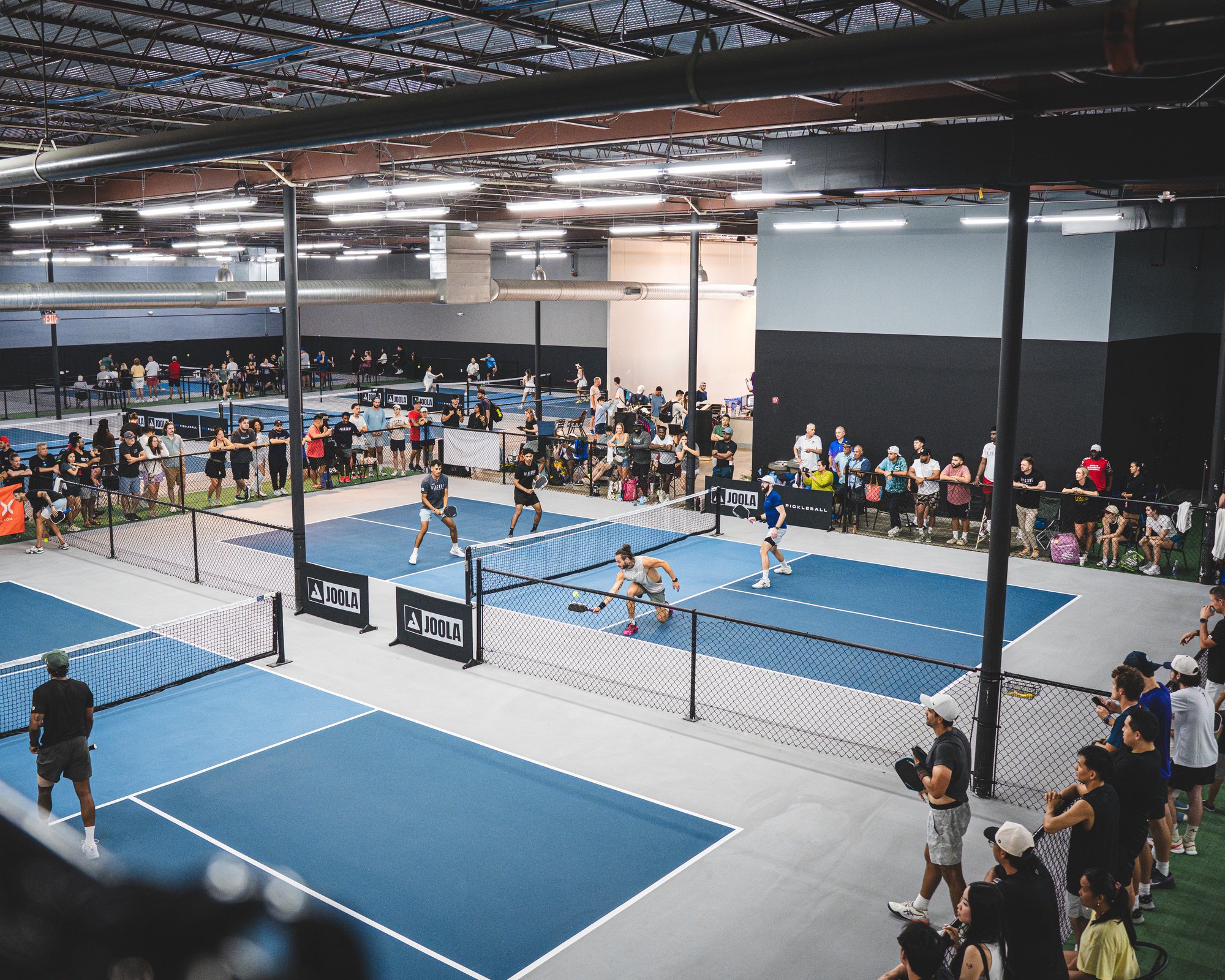
To bring the discussion back to everyday impact, here are a few observations about what players tend to report after investing in Era Pickleball pickleball classes. They describe a noticeable improvement in ball control, especially in the key zones near the kitchen and the baseline. They speak of more consistent returns under pressure, where previously a strong serve could push them off balance, but now they can absorb pace and redirect it with precision. They mention less downtime between point exchanges because movement becomes more efficient, and the mind clears enough to make quicker, smarter decisions. Importantly, they describe enjoying the process more, not because the training is easy, but because it feels purposeful and responsive to their needs as players.
As this exploration concludes, one reality remains clear. The sport rewards people who practice with intention, who seek feedback, and who embrace structured improvement. Era Pickleball, with its emphasis on measured progress through pickleball classes, offers a practical path to accelerated development. It is a model built on the conviction that meaningful growth does not happen by accident; it happens when coaching, curriculum design, and the player’s own commitment align in a way that makes better play inevitable.
If you are curious about the specifics of the program, you can explore the site and the coaching staff for a sense of who leads the sessions and what a typical class might cover. The language used across the eras of pickleball coaching often emphasizes fundamentals—footwork, paddle control, body alignment—while gradually weaving in tactical awareness. Whether you are a complete novice or a player who has enjoyed the sport for a while but craves a sharper edge, the Era Pickleball framework can be navigated for practical gains. The right class, attended with intention and supported by responsive coaching, has a way of turning vague goals into concrete improvements you can feel on the court.
Two lists to summarize key ideas, keeping in mind the content guidelines:
-
Benefits commonly reported by players in Era Pickleball pickleball classes: 1) Tighter ball control in dink exchanges and at the net 2) More consistent returns under pressure 3) Improved court position and movement efficiency 4) Clearer decision-making during longer rallies 5) Increased confidence in executing a planned point-completion sequence
-
Common considerations and potential pitfalls to watch for: 1) The pace of progression should match your personal practice outside sessions 2) Avoid chasing flashy techniques before mastering core mechanics 3) Ensure you receive consistent feedback from a known instructor 4) Look for a program that adjusts to injuries or physical limitations 5) Seek a pathway with explicit milestones and measurable outcomes
The article above has touched on the practical realities of accelerated improvement in pickleball through structured classes at Era Pickleball. For players who want to maximize their learning, consider how you can weave practice between sessions, perhaps by dedicating a short daily window to controlled rallies or targeted drills. The benefit of a consistent approach compounds over weeks, not just in improved shots, but in your overall relationship with the game. A reliable practice routine reduces anxiety on the court, which in turn improves your ability to stay present and make sound decisions during points.
There is also value in keeping a learning log, especially if you are transitioning through different phases of the Era Pickleball program. A simple approach is to note one or two things from each session that felt different, whether it was a change in your stance, a newly learned cue, or the way you read your partner’s and opponents' body language. These notes serve as a personal map of your progress, a way to anchor new habits and to reflect on how far you have come. Over time, you will be able to look back and see the checkpoints you hit—the small wins that cumulatively transformed your game.
As with any athletic pursuit, the social component matters. You will learn not only from the coach but also from your peers. Watching how others handle the same drill can reveal nuances you hadn’t noticed in your own play. It is in these moments of shared learning that the sport becomes less about individual competition and more about the collective growth of everyone in the group. In a well-run class, the energy from teammates translates into extra motivation to practice, and that energy sustains momentum even when progress slows.
If you are reading this and considering your next steps, I would encourage you to connect with the Era Pickleball coaching staff and ask about a starter pathway. A well-matched entry point is crucial. Some players benefit from a fundamentals-focused class that concentrates on grip, stance, and short-range control. Others are ready to dive into tactical drills that emphasize shot selection and rally construction. Either route, the value lies in the quality of feedback and the coherence of the progression. Don’t settle for a package that feels like a random collection of drills. Look for a program that demonstrates a deliberate plan for moving from novice to capable, and from capable to confident.
The world of pickleball is moving fast, but the best instruction remains anchored in clarity, accountability, and practical outcomes. Era Pickleball, through its pickleball training and pickleball coaching, offers a compelling blueprint for players who want to reduce the time it takes to improve while enjoying the process. The combination of well-designed drills, purposeful practice, and an encouraging but rigorous coaching environment helps players unlock better performance sooner rather than later. If you are ready to commit to a disciplined, thoughtful approach, you may find that your next match feels less like a gamble and more like a measured answer to a well-prepared plan. That is the essence of accelerated improvement, and it is the core promise of Era Pickleball pickleball classes.
❧